 Dayton Premier Water Damage Restoration
Sewage Cleanup Dayton Ohio
24/7 Emergency Response • Biohazard Certified • IICRC S500 Category 3 Protocol • Licensed & Bonded in Ohio
Call (937) 930-4317 — 24/7 EmergencySewage cleanup in Dayton, Ohio is a biohazard emergency — not a standard water damage job. Sewage water is classified as Category 3 black water under IICRC S500 protocols because it contains bacteria, viruses, and parasites that can cause serious illness including hepatitis, salmonella, and E. coli infection. Our licensed biohazard remediation team provides 24/7 emergency sewage cleanup across Dayton and Montgomery County, extracting sewage water, disinfecting all affected surfaces with EPA-registered antimicrobial agents, and performing certified structural drying to prevent mold growth in the aftermath. Do not attempt DIY cleanup — call (937) 930-4317 immediately.
Common Causes of Sewage Backup in Dayton, Ohio
Dayton operates a combined sewer system (CSS) — a legacy infrastructure design where stormwater and sanitary sewage share the same underground pipes. This design, common in older Midwest cities, creates a predictable failure mode: during heavy rainfall events, the combined volume of stormwater and sewage exceeds pipe capacity, and the overflow finds the path of least resistance — which is often the floor drains and toilets in Dayton homes.
The Miami Valley’s spring storm season — March through June — produces the highest volume of combined sewer overflow (CSO) events. Properties in low-lying areas near the Great Miami River, Mad River, and Stillwater River corridors carry the highest backflow risk during major rain events. Dayton’s Metropolitan Sewer District has invested in CSO reduction infrastructure, but the risk is not eliminated in older neighborhoods.
Beyond CSO events, private sewer line clogs from root intrusion, grease accumulation, and aging clay pipe joints are year-round causes of backup independent of weather. Older Dayton neighborhoods — Oakwood, Kettering, Huber Heights — have sewer infrastructure that may be 50–80 years old and subject to joint failure and root infiltration.
Why Sewage Cleanup Is a Biohazard Emergency
Category 3 black water contains pathogens that survive on surfaces and in building materials for days. Exposure without proper protection can cause serious illness. Porous materials — carpet padding, drywall, wood framing, insulation — absorb sewage water and cannot be adequately disinfected in place; they must be removed and disposed of properly.
In Dayton’s warm, humid summer months, sewage-saturated materials also support rapid mold growth, compounding the health risk. Biohazard cleanup in Dayton requires OSHA-compliant personal protective equipment, containment to prevent cross-contamination, and EPA-registered disinfectants applied at correct dwell times. This is not a job for consumer-grade cleaning products or shop vacuums.
Our technicians are trained in IICRC S500 Category 3 protocols and hold AMRT (Applied Microbial Remediation Technician) certification. We dispose of all extracted material in compliance with Ohio EPA regulations.
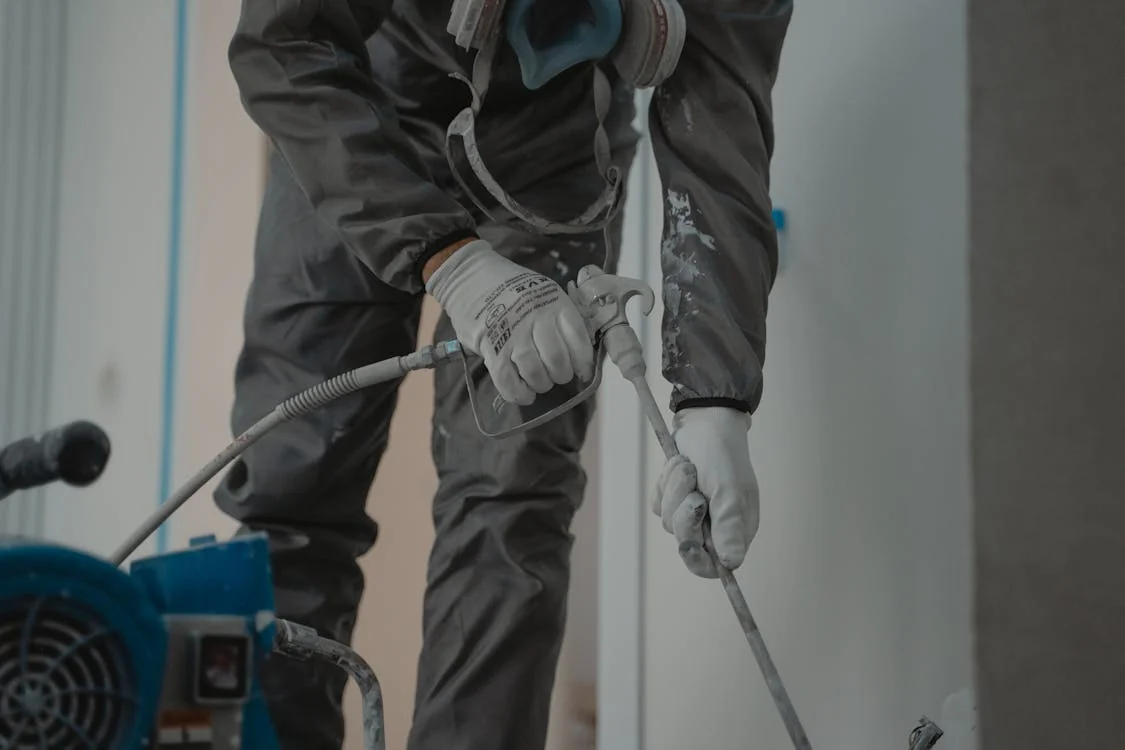
Our Dayton Sewage Cleanup Process

-
Containment — We establish containment barriers immediately to prevent cross-contamination to unaffected areas of the home.
-
Sewage Extraction — Truck-mounted extractors remove standing sewage water and solid waste. All extracted material is disposed of in compliance with Ohio EPA regulations.
-
Porous Material Removal — Carpet, padding, drywall, and insulation that absorbed sewage water are removed to a clean material line. Structural wood is assessed for viability.
-
Disinfection — Multiple passes with EPA-registered, hospital-grade disinfectants are applied at required dwell times to all affected surfaces — floors, walls, framing, and subfloor.
-
Structural Drying — LGR dehumidifiers and air movers dry the space to below 60% relative humidity, eliminating the conditions for mold growth.
-
Air Quality Clearance — We test and document air quality before clearing the space as safe for occupancy.
Call (937) 930-4317 for 24/7 emergency sewage cleanup in Dayton, Ohio.
Sewage Backup Questions — Dayton, Ohio
-
Yes. Sewage water is classified as Category 3 (black water) because it contains bacteria, viruses, and parasites capable of causing serious illness, including hepatitis, salmonella, and E. coli infection. Avoid all contact with sewage water and leave the affected area until professional remediation is complete. Children, elderly individuals, and anyone with a compromised immune system are at highest risk.
-
Yes. Sewage backup cleanup is a biohazard remediation job that requires certified technicians, OSHA-compliant PPE, proper disposal protocols, and EPA-registered disinfectants. Dayton sewage cleanup cannot be handled safely with household cleaning products or a standard wet vacuum.
-
Standard homeowners policies often exclude sewage backup unless you have added a sewer backup rider or endorsement. This is particularly worth noting for Dayton homeowners — the city's combined sewer system creates recurring backup risk during heavy rain events, making the endorsement a reasonable investment. We work with your adjuster to document the damage and support your claim regardless of coverage source.
-
It is not advisable. Without proper PPE, disposal protocols, and disinfection chemistry, DIY attempts risk personal exposure to dangerous pathogens and can spread contamination to unaffected areas of the home. Incomplete disinfection leaves surfaces that appear clean but carry active biological risk. Call (937) 930-4317 — this is what we are trained and equipped for.
For general water damage, see our water damage restoration Dayton Ohio page. For mold that followed sewage intrusion, see mold remediation Dayton Ohio.
Get Immediate Sewage Cleanup Help in Dayton
Sewage backup does not wait — call (937) 930-4317 now for 24/7 emergency response. Our biohazard-certified team will arrive fast, contain the situation, and restore your home to a safe, sanitary baseline.
- No charge for assessment
- IICRC-certified biohazard technicians
- Insurance documentation provided
- Same-day response for most emergencies